Crowns & Bridges
Quick Facts About Crowns and Bridges
- Key Benefits: Crowns and bridges can restore the strength, function, and natural appearance of damaged or missing teeth, helping patients bite, chew, and smile with better confidence.
- Potential Candidates: Patients with cracked, weakened, or missing teeth, or those looking to replace old dental work, are often good candidates for crowns and bridges.
- Procedure Details: Treatment typically involves two visits: one to prepare the teeth and take impressions, and a second to place the final custom-made restoration.
- Cost: The cost of crowns and bridges generally depends on the materials used, the number of teeth involved, and the complexity of the case.
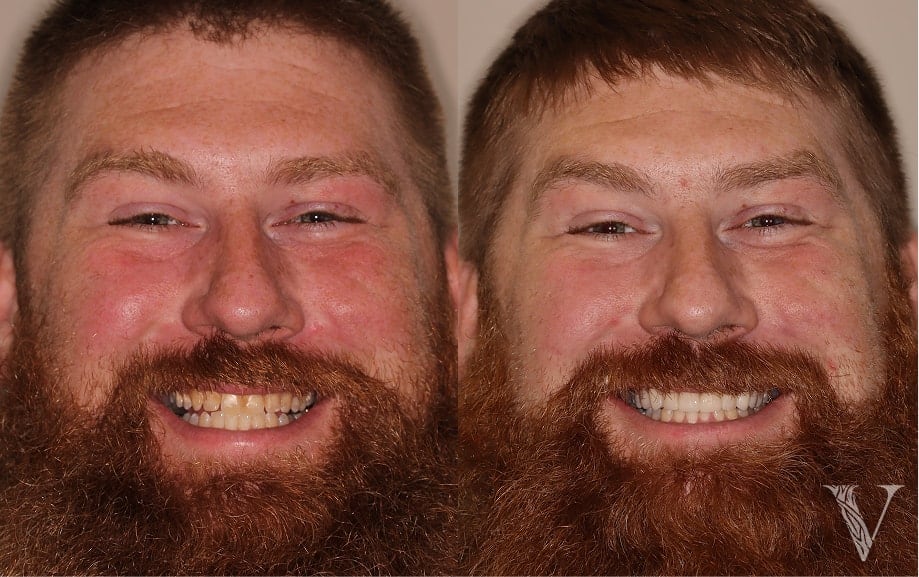
Crowns and bridges can both provide long-term fixes for those who have broken teeth or have lost one or more teeth. A crown is a permanent prosthetic device that is used to fit on top of, or cap a damaged tooth, or cover a dental implant. Often shaped like the top of a tooth, a crown serves the biting or grinding purpose of the original tooth, allowing a patient to restore use of the tooth. Crowns are commonly used after a root canal procedure to ensure the strength and protection of the tooth.
Bridges are used to replace one or more teeth. They are artificial teeth that are custom made and then cemented in place to the original teeth in the area of the mouth that needs to be filled. Unlike partial dentures, bridges are permanently fixed into place and supported by existing teeth. This secure restoration can be cared for and function much like the original teeth.
At Vineyard Dental, Dr. Eric Rackley and Dr. Keenan Smith offer both procedures to help patients achieve healthy, dazzling smiles.
Explore Topics On This Page:
What Are the Benefits of Crowns and Bridges?
Crowns and bridges both serve several important functions. First and foremost, they can improve the cosmetic appearance of a patient’s smile, as well-designed crowns and bridges can often blend seamlessly with natural teeth. They can improve the full ability of the mouth to bite and chew with a restored set of teeth, easing the burden on existing teeth. Bridges also serve the important function of preventing existing teeth from shifting out of place due to the gap created by missing teeth.
Beyond aesthetics, crowns can also protect weakened or damaged teeth from further decay or fracture, helping to extend their lifespan. Bridges, by filling in gaps left by missing teeth, help maintain proper alignment and reduce strain on surrounding teeth during everyday chewing. Together, these restorations support both the health and longevity of your smile.
How Are the Crown and Bridge Procedures Performed?
The crown and bridge process typically takes place over two appointments. During the first visit, one of our dentists will prepare the affected tooth or teeth by removing any damaged or decayed material and shaping the remaining structure to accommodate the restoration. Impressions are then taken to ensure a precise, custom fit, and a temporary crown or bridge may be placed to protect the area while your permanent restoration is crafted.
At the second appointment, we will remove the temporary piece and carefully fit, adjust, and bond the permanent crown or bridge into place. Dr. Rackley or Dr. Smith can check your bite and make any final adjustments for comfort and function. With proper care, crowns and bridges can last many years, restoring both the health and appearance of your smile.
Don’t let a damaged or missing tooth affect your smile and confidence any longer. Schedule a consultation with a member of our team to find out if crowns or bridges are the right solution for you. We’ll walk you through every step of the process to help you achieve a healthy, natural-looking smile.
Before and After Results






“I had a crown put on. No pain, all gain. No pain during the procedure and no discomfort with the tooth afterwards. I was good to go 10 minutes after I left the office.”